
10+
Years Of Experience
Plumbing That Supports Your Renovation Plans
Plumbing remodel services in Santa Ana for kitchen and bathroom upgrades requiring new fixture layouts and updated supply lines
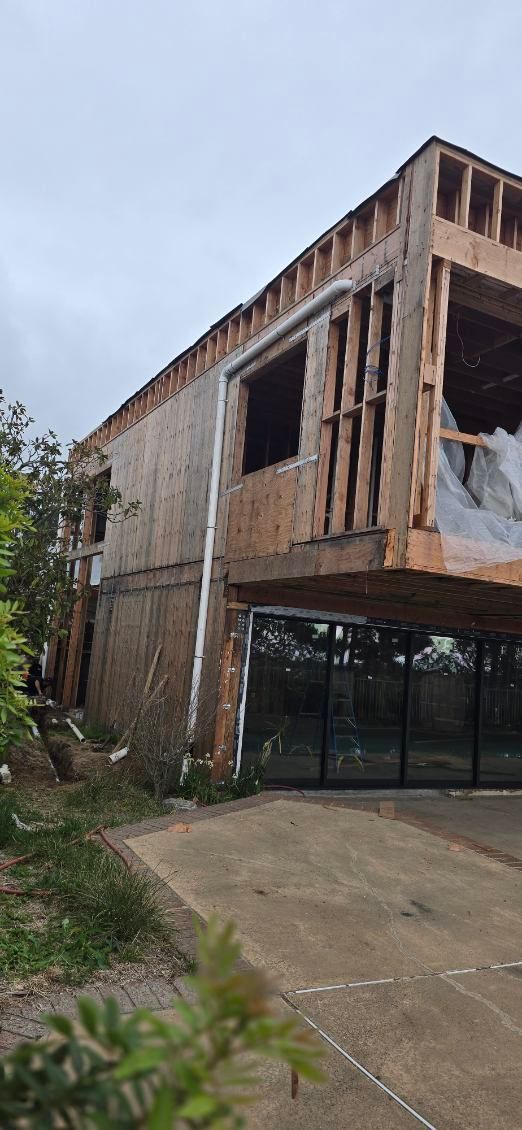
Outdated plumbing restricts your remodel options when existing supply lines can't support additional fixtures or drain placement doesn't align with your new layout. 8 Plumbing Company coordinates plumbing work for kitchen and bathroom renovations, including additions that expand your home's footprint and require extending water, drain, and vent systems. Remodel plumbing involves relocating supply lines behind new walls, upgrading galvanized or polybutylene pipes to current materials, and roughing in drainage for relocated sinks, toilets, or shower pans before finish work begins.
The process includes reviewing your design plans to identify conflicts between proposed fixture placement and structural limitations like floor joists or existing drain stacks, then working with your contractor to adjust layouts before demolition starts. Modern fixture installation often requires different rough-in dimensions than older plumbing accommodated, and water efficiency regulations in California mandate low-flow fixtures that reduce consumption without sacrificing performance. Supply line upgrades to PEX or copper eliminate the risk of pipe failure behind newly finished walls, while proper vent sizing prevents slow drainage and sewer gas issues that compromise your completed renovation.
Request a remodel consultation to review your project plans and receive coordination timelines that keep plumbing work on schedule.
How Remodel Plumbing Addresses Layout Changes
Plumbing remodel work happens in two phases: rough-in installation after framing is complete but before drywall goes up, and finish work once surfaces are ready for fixture mounting. Rough-in involves running new supply lines to fixture locations, installing drain lines with proper slope for gravity flow, and extending vent pipes that prevent trap siphoning and maintain atmospheric pressure in your drain system. Each fixture requires specific rough-in measurements, and toilets, showers, and sinks must align with structural framing to support finished installation without modification.
Once plumbing integration is complete, your new fixtures function without leaks, drains clear quickly due to properly sized and sloped waste lines, and water pressure remains consistent even when multiple fixtures operate simultaneously. Upgraded supply lines eliminate the hammering or whistling sounds that old galvanized pipes produce, and your remodel passes inspection without delays caused by code violations or incorrect vent configuration. Modern fixtures install cleanly with supply connections concealed behind finished walls and escutcheons that cover rough openings precisely.
Remodel projects also create opportunities to add shut-off valves at each fixture for easier future maintenance, install water hammer arrestors that protect against pressure spikes, and slope drain lines correctly the first time to avoid settling issues that cause standing water in pipes. Coordination with your general contractor ensures plumbing rough-in doesn't delay insulation, drywall, or tile work.
Answers to Remodel Plumbing Questions
Property owners planning renovations in Santa Ana typically want to understand timing and what the plumbing scope includes.
When does plumbing rough-in happen during a remodel?
Rough-in installation occurs after framing and electrical work but before insulation and drywall, typically within a day or two for a standard bathroom or kitchen, with inspections scheduled before walls close up.
What's the difference between rough-in and finish plumbing?
Rough-in includes all supply, drain, and vent pipes installed behind walls and under floors, while finish work involves mounting fixtures, connecting supply lines, and testing for leaks after surfaces are complete.
Can I change fixture locations after rough-in is done?
Moving fixtures after rough-in requires opening finished walls to relocate supply and drain lines, then patching and refinishing those surfaces, which adds significant cost and delays to your project timeline.
Why do some fixtures require larger drain lines than others?
Toilets require three-inch drains to handle solid waste, while sinks use one-and-a-half or two-inch drains, and showers need two-inch drains with proper slope to prevent standing water and slow clearing.
How does plumbing work coordinate with tile installation?
Shower rough-in must account for tile thickness and waterproofing membrane depth so that valve trim and showerhead outlets sit flush with finished surfaces rather than protruding or recessing behind tile.
8 Plumbing Company works directly with contractors and homeowners to ensure plumbing installation aligns with your remodel schedule and design specifications. Contact us at (714) 860-0234 for project planning and detailed quotes based on your renovation scope.